Hi

Have you ever watched a great skier finish a turn and wondered how they seem to carry energy from one turn straight into the next, like each turn feeds the one after it?

That feeling doesn’t come from just releasing the edge. There’s something that happens just before the release that most skiers never discover — and it’s what separates a dynamic, flowing turn from one that just gets the job done.

Here’s what I mean.

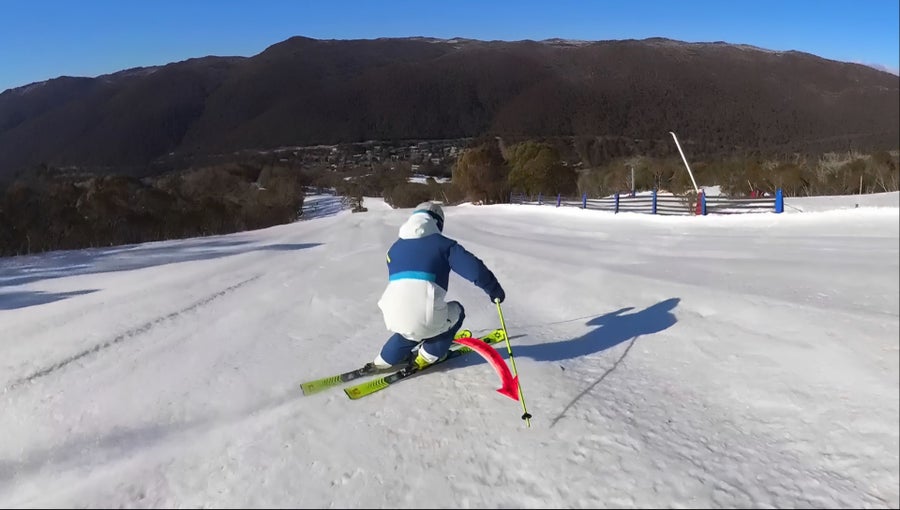
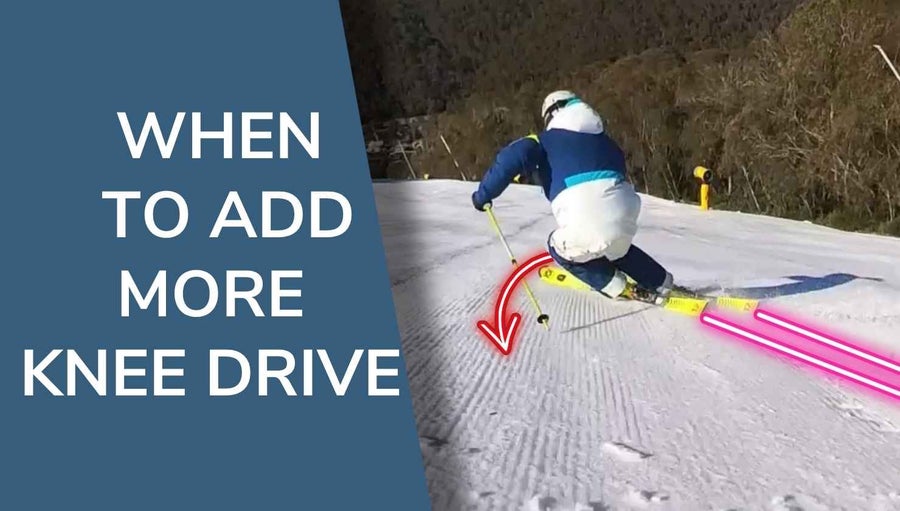
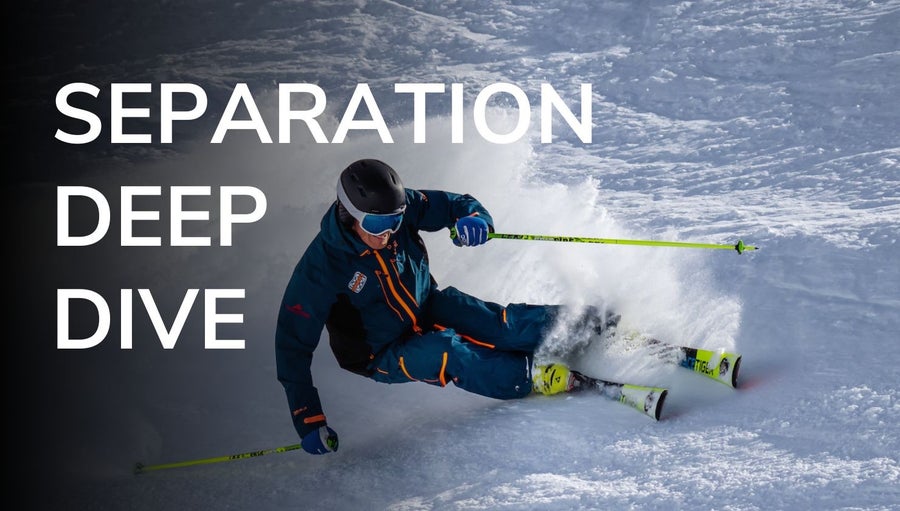
At the end of a turn, before you release the edge, try rolling your ankles and knees further into the hill — increasing the edge angle through just the lower part of your legs. Not your hips, not your upper body. Just from the knee and ankle down.

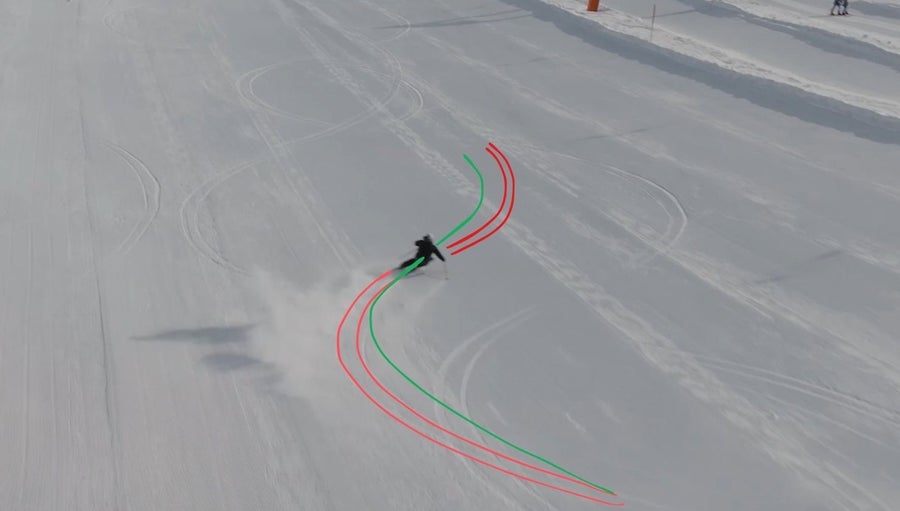
What this does is project your skis back under you faster — tightening the arc and directing the skis across your body. And because you’re only moving the lower part of your leg, your centre of mass is free to travel over the top and cross into the new turn. The skis go one way, your body goes another. Then they swap.

Done right, you’ll feel the edge release happen almost automatically — with far more energy than if you’d just flattened the ski and let it go. If you ski with Carv, you’ll see it in the numbers too.

But here’s the thing I want to be clear about — this isn’t the only way to finish a turn, and it isn’t something to apply like a rule. The best skiers are versatile. They have a broad range of skills and they choose which one fits the moment. Speed, snow, terrain, energy levels — all of it influences the decision. When skiers get stuck thinking there’s one correct technique, that’s usually when frustration sets in and progress stops.

You are trying to direct the skis back under you faster but at the same time allow your upper body to cross over

So next time you’re on snow, try this. At the end of a turn — instead of flattening the ski to release — roll your ankles and knees further into the hill. Just the lower part of your leg. Keep everything from the hip up quiet and let it travel across. Feel whether the skis come back under you faster. Feel whether there’s more energy carrying into the next turn.

It won’t feel natural at first. That’s normal. You’re learning to drive two parts of your body independently — and that takes repetition.

If you want a structured progression to get there faster, I built a full video that walks you through this step by step. It’s the clearest way to train this movement before taking it onto the hill. Knee Rolling Tutorial

For those who want to go deeper into how this fits into the bigger picture of transitions and upper and lower body separation, I’ve run two recent Deep Dives that connect all the dots:

[DEEP DIVE ON TRANSITIONS →]

[DEEP DIVE ON SEPARATION →]

And for the more advanced skiers — once the knee roll feels comfortable, the next challenge is learning to time the edge release that follows. I created a drill specifically for this:

[DOUBLE EDGE PRESSURE DRILL →]

This one builds directly on the knee roll and teaches you how to sequence the edge increase and the release — so the whole transition flows as one connected movement rather than two separate steps.

I hope you’re looking forward to the upcoming ski season as much as I am.

Cheers Tom Gellie

P.S. I’m also close to finishing Skellie Chat — a digital mind trained on six years of my video content. It lets you ask questions about your skiing and get answers grounded in everything I’ve built at BPS. Members are already using it to find new video suggestions and problem solve issues with things like their ski boot setup.